
Walk up to almost any dispensary counter and ask for a recommendation, and you’ll get some version of the same script: “Indica for relaxing, sativa for energy, hybrid for a bit of both.” It’s simple, it’s memorable, and it’s also increasingly understood by scientists and
experienced growers to be mostly wrong. Here’s what’s actually going on, and what you should be looking at instead.
Where the Indica/Sativa Split Came From
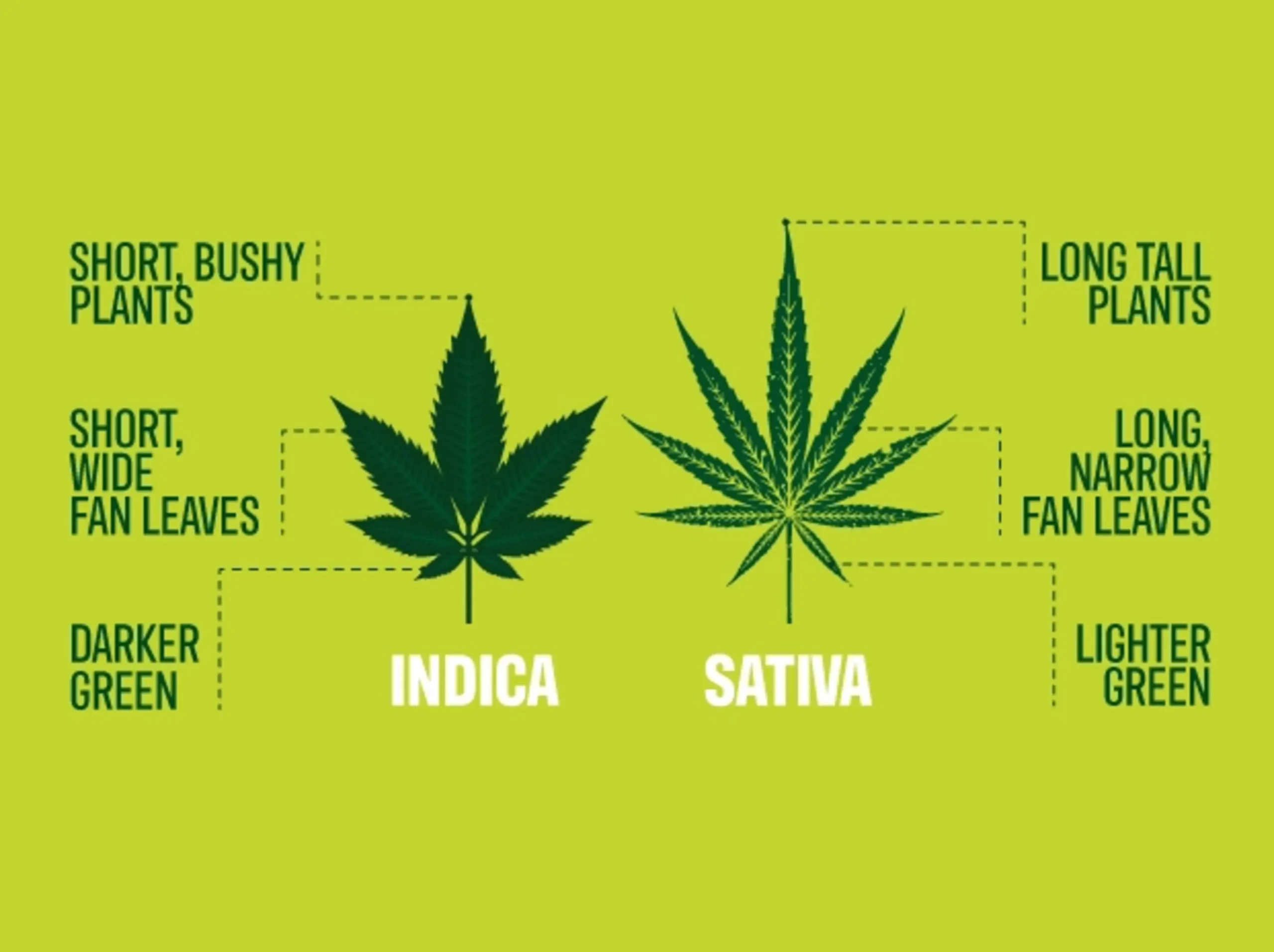
The indica/sativa distinction originally described plant morphology, not effects. Sativa plants are tall, thin-leaved, and originated in equatorial regions. Indica plants are shorter, bushier, and broader-leaved, adapted to harsher mountain climates. The labels were botanical, describing what the plant looked like and where it evolved — not what it would make you feel. Somewhere along the way, the cannabis industry backfilled a story onto these categories: sativa became shorthand for “energizing, cerebral,” indica became shorthand for “sedating, body-heavy.” It’s a tidy narrative. It’s just not how the plant’s chemistry actually works.
Why the Labels Don’t Hold Up
Decades of hybridization have blurred plant genetics to the point where “pure” indica or sativa strains barely exist anymore. Nearly everything on dispensary shelves is a hybrid of some kind, regardless of what the label says. More importantly, research increasingly points to cannabinoid and terpene content — not the indica/sativa category — as the real drivers of how a strain makes you feel. Two “indica” strains from two different growers can produce noticeably different experiences depending on their actual chemical makeup. A high-myrcene strain (myrcene being a terpene associated with sedation) will feel relaxing whether it’s labeled indica, sativa, or hybrid. A strain high in limonene or pinene tends to feel more energizing and clear-headed, again regardless of label. In short: the label on the jar is often a marketing convention, not a chemical description.
What Actually Determines the Effects
If indica/sativa/hybrid isn’t the real story, what is? Three things matter far more: Terpene profile — the aromatic compounds that give cannabis its smell also interact with cannabinoids to shape the actual experience (this is sometimes called the
entourage effect). Cannabinoid ratio — the balance of THC, CBD, CBG, and other cannabinoids changes
the character of the high significantly. Individual body chemistry — the same exact flower can hit two different people in
noticeably different ways, because everyone’s endocannabinoid system responds a little differently. This is why relying purely on the indica/sativa label is a bit like judging a wine only by whether the label says “red” or “white” — technically true, but missing almost everything that actually determines the experience.
Why Dispensaries Keep Using the Labels Anyway
It’s not necessarily dishonest — it’s convenient. Indica/sativa/hybrid gives budtenders a fast way to make a recommendation without needing to walk every customer through a terpene breakdown. But convenience isn’t the same as accuracy, and it means a lot of customers end up choosing based on a label that isn’t reliably predictive of how they’ll actually feel.
What to Look for Instead
Next time you’re choosing flower, skip the indica/sativa label as your primary filter and look for: 1. 2. 3. 4. The terpene percentage breakdown, usually listed on a Certificate of Analysis (COA). Dominant terpenes — myrcene and linalool tend to skew relaxing; limonene and pinene tend to skew more alert and uplifted. THC:CBD ratio, which affects intensity and character of the high.
Your own notes — track what you actually liked and look for the terpene pattern behind it, not the label.
The Bottom Line
Indica, sativa, and hybrid aren’t meaningless — they’re just far less predictive than most dispensary marketing implies. The real signal is in the terpene and cannabinoid profile of what you’re actually smoking, not the category printed on the label. Once you start
shopping by terpene profile instead of by indica/sativa/hybrid, you’ll likely find your choices get a lot more consistent — and a lot more satisfying. At Gotham Apples, we lead with the actual lab data on every batch, because a label is only
useful if it tells you something true.